
Learn how to taste wine In As Little As 30 minutes – But Repeat Often
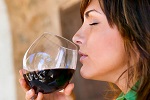 “There are certain techniques the experts employ when tasting wine. Here’s a short course that will teach you the basics. You may think it snobbish when you see people closely examining their wine, swirling it around the glass, then sniffing and swishing, but there’s some common sense in the approach. Part of the technique is just inserting some time into the process, so that the tasting experience is slower, and that the taster puts some attention into the experience. Wine is about affecting the senses – all of them, including sight, scent, taste and aftertaste. In the end, your impression of a wine is about what you’re left with after you’ve finished tasting it.
Each wine taste, even the small amount in the tasting session, is about history. Each glass contains the effects of history, agriculture, the geography of the growing region, botany, and even such seemingly unrelated topics as religion, psychology, and labor laws.
Forget any thoughts you might have about snobery and wine. Throughout history, wine has been shared and enjoyed by all classes and regions, and some of the very best wines come from humble beginnings. Tasting wine should be enjoyed… in fact, it should be downright fun. There is no test. There is no right answer. And you don’t even need to speak all the particluar words of the “”wine language.””
To start off your wine tasting experience, the first and most important thing to do is to relax, and slow down. Think about the wine, where you are, where the wine came from , and how you will be experiencing it. In short, open your senses to what you’re about to experience.
Take a Look at the wine
Notice the color of the wine. Hold the glass at an angle against a light background, and notice the colors. They may change from the edges to the center of the glass. What is the color? Is it clear, or dense? Are there particles in it?
Put Your Nose in the Glass
Swirl the wine in the glass, so that it coats the sides of the glass. This lets some of the wine vaporize so you can smell it. You can swirl by rotating your wrist, but be careful not to be too energetic. Another method is to put the glass on a flat surface and move it in a circular motion. This keeps the glass flat and may help you avoid spilling over the top of the glass.
Put your nose over the top edge of the glass. Some folks put their nose right in the glass. Either way is fine, so do what ever works for you. Open your mouth, and take a deep sniff. The scent should enter your nose and pass through your throat. Some of your taste sensation is actually smelling. Two or three sniffs should provide a good sense of the scent.
Try it in your Mouth
Once you’ve experienced the smell of the wine, it’s time to taste it. Take a sip and roll your toung around the wine before you swallow. Let the wine permeate your taste buds. Then, exhale through your nose before swallowing. This brings both your sense of taste and smell together.
Try a second sip, and this time swish the wine around your mouth, swallow, then exhale through your nose. You might even try ‘chewing’ the wine before swallowing it. The idea is to expose the most surface of your mouth to the wine.
Most tasting rooms provide a sheet describing their wines, with room for you to write your own impressions of your tasting experiences. These are great help in remembering what you tasted and what your impressions were. Later, when you may want to buy a bottle or two, these notes will help you remember which you liked best.
The most important technique you will learn in tasting wine is to practice. Experience is a great teacher, and variety lets you collect experiences. The more times and varieties you taste, the better able you will become in understanding the wines you are tasting.
Besides… as we mentioned at the start of this lesson, it’s fun to do. And the more wine tasting you do, the more fun you will have.


